Chattanooga event guide
Tivoli Theatre Seating by Section: Orchestra vs. Balcony
Start with the performance map. The end-stage chart supplied for Justin Willman shows an orchestra, loges, boxes, and two balcony levels.
Compare a central orchestra seat for proximity with a central balcony seat for a broader view of the stage. For a side seat on either level, look at the angle toward center stage before you compare prices.
Explore the Tivoli Theatre venue guide →Start with the right chart
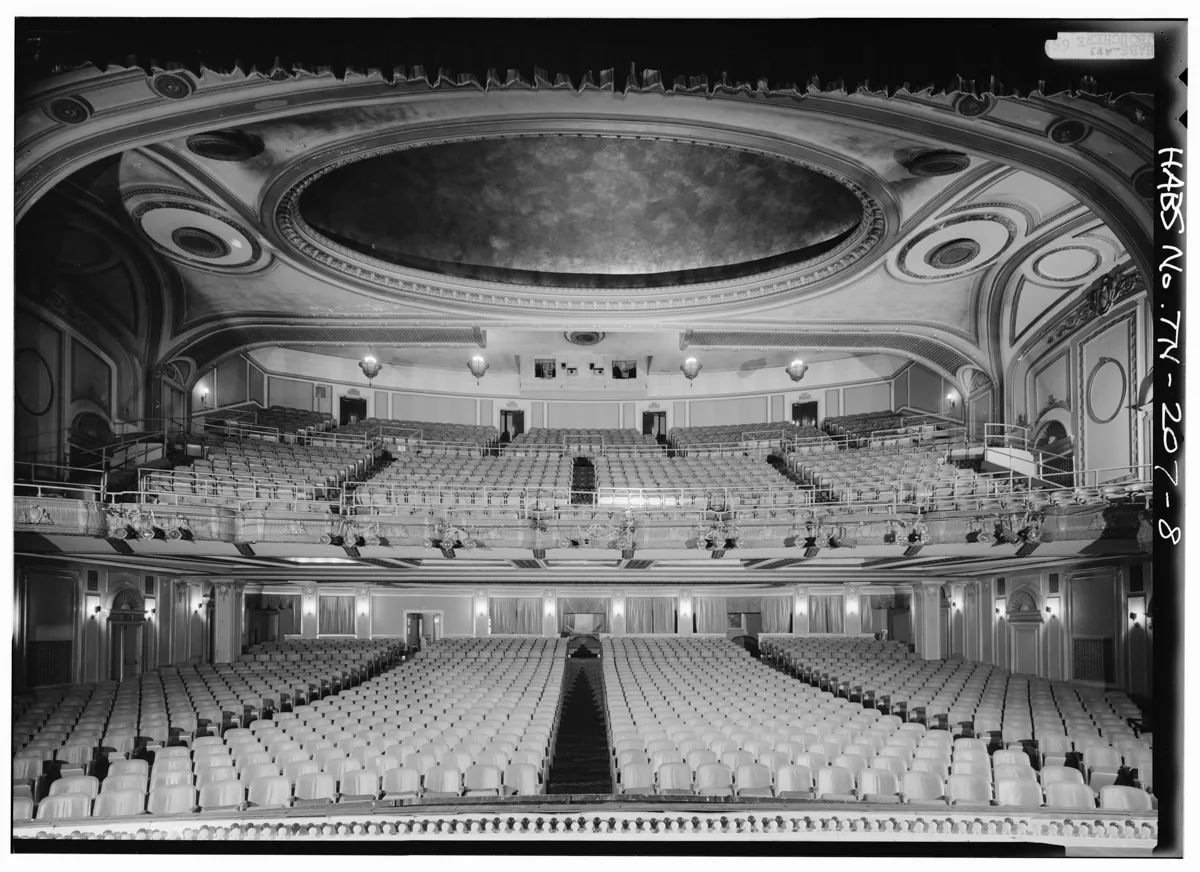
The first choice is between the main-floor orchestra and the elevated seats. At the Tivoli Theatre on Broad Street, the example end-stage chart shows an orchestra, loges, boxes, a lower balcony, and an upper balcony. Treat those labels as a way to orient yourself. Open the chart for your own performance before choosing a ticket, since that is where you can see the seats actually offered for your date.
The distinction matters especially when you have several tabs open. The Tivoli Theatre and Walker Theatre are separate rooms, even when the shows appear on the same operator’s calendar. Confirm the name and address first, then use our Tivoli row and seat number guide if you need help reading the smaller labels.
What does orchestra seating give you?
The orchestra is the main floor on the end-stage example. If you want to watch facial expressions, see a guitarist’s hands, or catch the details of a costume, start by comparing seats with a direct view of the stage from the orchestra. See where they fall left to right before you spend more for a closer row. The seat nearest the stage on the map can also have the sharpest angle toward its center.
If the show uses a broad set or a large ensemble, give yourself room to see movement on both sides. Compare a central row farther back with a closer row on the outside. Imagine watching a scene with two performers at opposite ends of the stage. Which position gives you the easier view of both? That question is often more useful than deciding in advance that you have to sit within a certain number of rows.
When does the balcony make sense?
An elevated seat can make it easier to take in the whole stage, particularly for a musical with a moving ensemble or a dance performance. You trade some proximity for a wider perspective. If you love to watch how a production moves from one scene to another, that may suit you. If you want to see small gestures in a quiet solo show, compare the distance against a main-floor option at a similar price.
The example chart has both a lower and an upper balcony. If the listing just says “Balcony,” find out which level it means before you pay. Look at the row’s depth within that level as well as its distance from the stage. A seat toward the center of one balcony section and a seat near the outside of another can give you very different angles even if the rows have the same letter.
Where do loges and boxes fit?
Loges and boxes have their own labels on the example map. If one turns up in your search, locate that exact block and check which direction it faces. The word “box” doesn’t tell you how far the seat sits to the side, how many seats the listing includes, or how easy it will be to reach. Compare the listing against the chart before treating the section name as an upgrade.
Ask about rails or restricted views if they matter to you. A chart can show the position of the seats, but it cannot recreate your eye level or tell you everything about scenery on the day. Check the seller’s notes and ask the venue about the exact section and row if a clear view is essential.
What if you need an aisle or step-free access?
Pick the aisle from the chart before picking the seat number. Some seating blocks have aisles on both sides, while others give you a shorter route from one direction. If you want to step out without crossing a long row, find the edge you’d actually use. The last number shown in a resale listing may be the last seat on offer rather than the last seat in the row.
Reporting on the restoration describes a front-of-house elevator and accessible seating platforms. Ask the venue which entrance and route serve your particular seats. A lift can get you to a level while stairs remain between that level and your row. If you need a wheelchair space, a companion seat, or a particular transfer arrangement, confirm that before comparing ordinary reserved seats.
How to compare two listings before checkout
Put the listings side by side. Check the performance date and time first, then compare level, section, row, and any view notes. If you’re buying two seats, confirm they are together. Seat numbers can follow odd and even patterns, so use the chart or seller’s confirmation rather than assuming the numbers need to run consecutively.
Next, compare the total for the same number of people. A balcony seat that gives you the broad view you want may be a better choice than paying extra for a closer side seat. On the other hand, if a clear view of a soloist is the reason you’re going, a centered orchestra option may be worth more to you. Make that decision while both listings are open, before checkout adds time pressure.
If you’re choosing seats for someone else, ask what made their last theatre outing comfortable. They may care more about seeing over the heads in front, avoiding stairs, or reaching the lobby at intermission than sitting close to the performers. Keep those preferences in mind when you compare levels. If you can only verify one of two similarly priced listings, choose the one that gives you enough detail to make the call. A clear section and row are more useful than a vague promise of a great view.
If you’re still choosing an evening, start with the Tivoli Theatre venue guide or browse upcoming Chattanooga theatre shows. Open the exact performance and use its seating map to compare the orchestra, balcony, and any other section it offers.
Before you head out
Questions, answered
Which map should I use before buying?
Open the map for the exact event you plan to attend and confirm the section and row with the ticket seller. Details ↗
Sources & References
Event details and visitor information checked 2026-11-05. Check the venue's current guidance before you travel.


