Chattanooga event guide
Walker Theatre Seating Chart: How to Compare Rows and Sections
When decoding the Walker Theatre seating chart, start by picking the precise event you want to attend, as the map and row layout can change between performances. Focus specifically on the Walker Theatre’s in-house chart, it differs from the adjacent Memorial Auditorium's map despite sharing the same address. Compare seat rows and sections by zeroing in on their position relative to the stage, then judging their view and access. For the best results, refer to the chart matched to your chosen date and event, and use this guide to avoid mix-ups and identify the seat that fits your priorities.
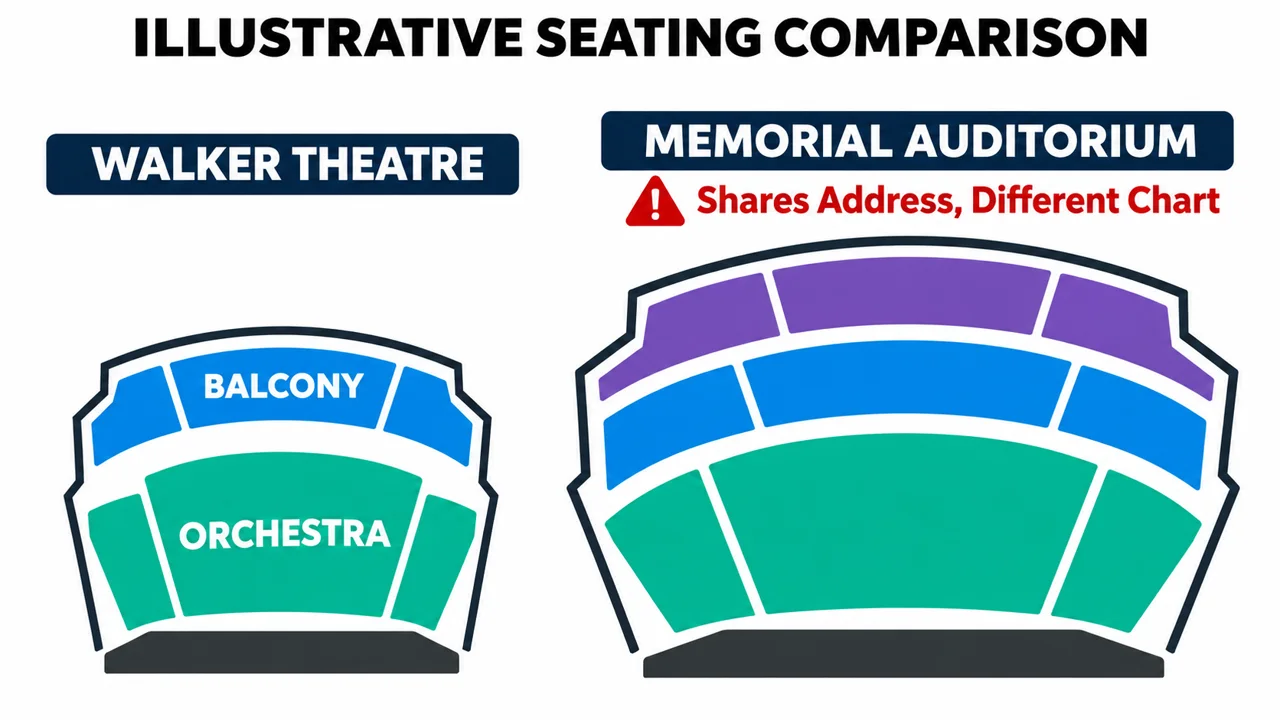
Find the stage, then zoom in on the section. Compare the position of each row before using its letter to judge distance. The same label may appear in more than one part of a chart.
Explore the Walker Theatre venue guide →Start with the Walker Theatre Event Chart
Every performance in Chattanooga's Walker Theatre uses its own ticketing chart. Even though the Walker shares an address with the Memorial Auditorium at 399 McCallie Avenue, each room has a unique map. Double-check that you are viewing a chart labeled for the Walker Theatre, not the main auditorium, before you compare seats or rows.
It’s easy to get mixed up by the similarities in venue names, especially when browsing events for Memorial Auditorium or Walker Theatre. Each performance lists its exact space. always match the event details to avoid using the wrong seating guide.
Compare Rows Within Each Section
Find the stage on the chart and then zoom in on your desired section. Judge true proximity and sight lines by their position, not just the row letter.
Remember, row labels may repeat across different sections or sides. Always cross-reference with the section (such as Balcony Left vs. Balcony Center) to avoid confusing two seats with similar labels.
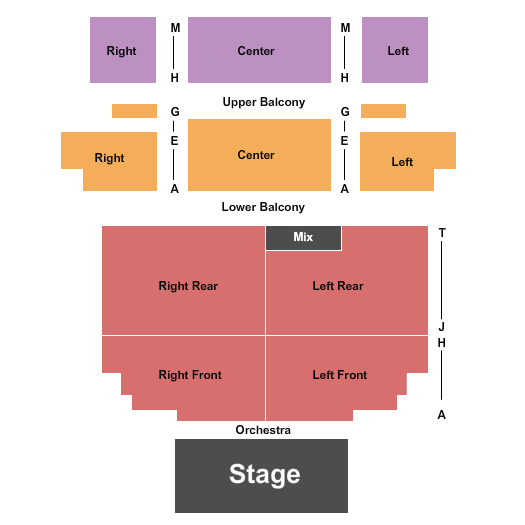
Section Location Matters for View
Orchestra seats closer to the stage provide a more immersive experience, while balcony seats grant elevated sightlines.
Meanwhile, side sections could be ideal for audience members seeking an affordable ticket with respectable views. Evaluating the map visually helps predict any possible obstructions or angles.
Check Details That Match Your Priorities
If you want an aisle, locate the aisle on the chart. If you're buying several tickets, confirm that the seller offers seats together in the same row.
Some events list seats by zone (e.g., Orchestra Left, Balcony Rear), while others allow you to pick exact seats on an interactive map. Families and groups should ensure the ticketing platform confirms all members are seated together. don’t assume proximity unless the chart shows it.
Accessibility and Special Needs
Accessible seating is marked directly on the Walker Theatre’s interactive chart, with wheelchair icons and companion spaces highlighted where available. These often appear near main walkways or at the rear of sections for easiest access to entrances and restrooms.
If accessibility is a top priority, compare the walking distance from entryways shown on the map and reserve as soon as possible, since those seats have limited supply.
GA, Assigned Seats, and Seat Numbering
For reserved-seating shows, your ticket lists a section, row, and seat number. The map makes it easy to see exactly where you’ll sit.
If assigned seating matters to you, verify before checkout whether you’re choosing a precise seat or just a section. This prevents confusion when standing-room policies apply or when the format changes for particular productions.
Keep section, row, and seat together
Save all three details while you compare offers. A row letter is easy to remember, but it can point to several places on a map if you forget the section. If you’re comparing tickets from two sellers, put the full labels side by side and check that both offers match the same performance. Ask about an aisle or companion space before buying if either will affect how your group gets to the row.
When you compare rows, align their position visually relative to the stage on the diagram, row letters might repeat between different sections, so don’t rely on the letter alone. View the virtual map to gauge which side section lines up directly with the stage or sits at an angle. For side-view or limited-view seats, the chart often adds a notation. This helps if you want to avoid a partially obstructed look or prefer a direct center view.
Always verify details for the event you’ll attend. General admission performances, often used for some concerts and comedy shows, may not have assigned seats: in that case, the chart will display open zones rather than specific seat numbers. For reserved ticket events, you can check if the map allows you to select actual seats or provides the quantity and section only. Double-check, especially if you’re seeking multiple seats together. Accessibility options, such as wheelchair spaces or companion seating, appear on the diagram and are bookable as long as they’re available.
Finally, as production layouts can vary (especially for touring acts, unique concerts, or multi-day festivals), those designing their ticket choices should always refresh the event’s seating chart before making a decision. For more personalized support or to begin browsing what’s on, explore the Walker Theatre event page where real-time ticket availability and seat selection are kept current.
Use the example map to practice
Find the stage in the example chart, then follow one seating block from front to back. Notice how the block, row, and seat number work together. Once you know where those details sit on the map, switch to the chart for your performance and repeat the same steps. The example is useful for learning to read the diagram. Your event’s chart is the one to use for buying tickets.
Check the Event and Ticket Before You Buy
Production layouts can shift for specific tours, local dance troupes, or special events. Chattanooga Ballet’s Nutcracker, for example, is a local ballet often hosted in a particular auditorium, verify the venue before using any seating guide.
Broadway, comedy, and concerts might appear at multiple Chattanooga venues, not just Walker Theatre. To compare available seats for current events and the most accurate chart, visit the Walker Theatre event schedule.
Before you head out
Questions, answered
Where should I confirm details for my performance?
Start with the exact event page and use its venue, performance time, and ticket information to check your listing. Details ↗
Sources & References
Event details and visitor information checked 2026-11-05. Check the venue's current guidance before you travel.


